About the Course & Educational Scope
An annual evidence-based instructional platform dedicated to advancing the clinical diagnosis, surgical eradication, and multidisciplinary care of musculoskeletal infections.
Why EBJIC Was Created
Bone and joint infections represent one of the most formidable complications in orthopaedic surgery, demanding synchronized expertise across microbiology, pharmacology, surgical debridement, and complex soft-tissue reconstruction.
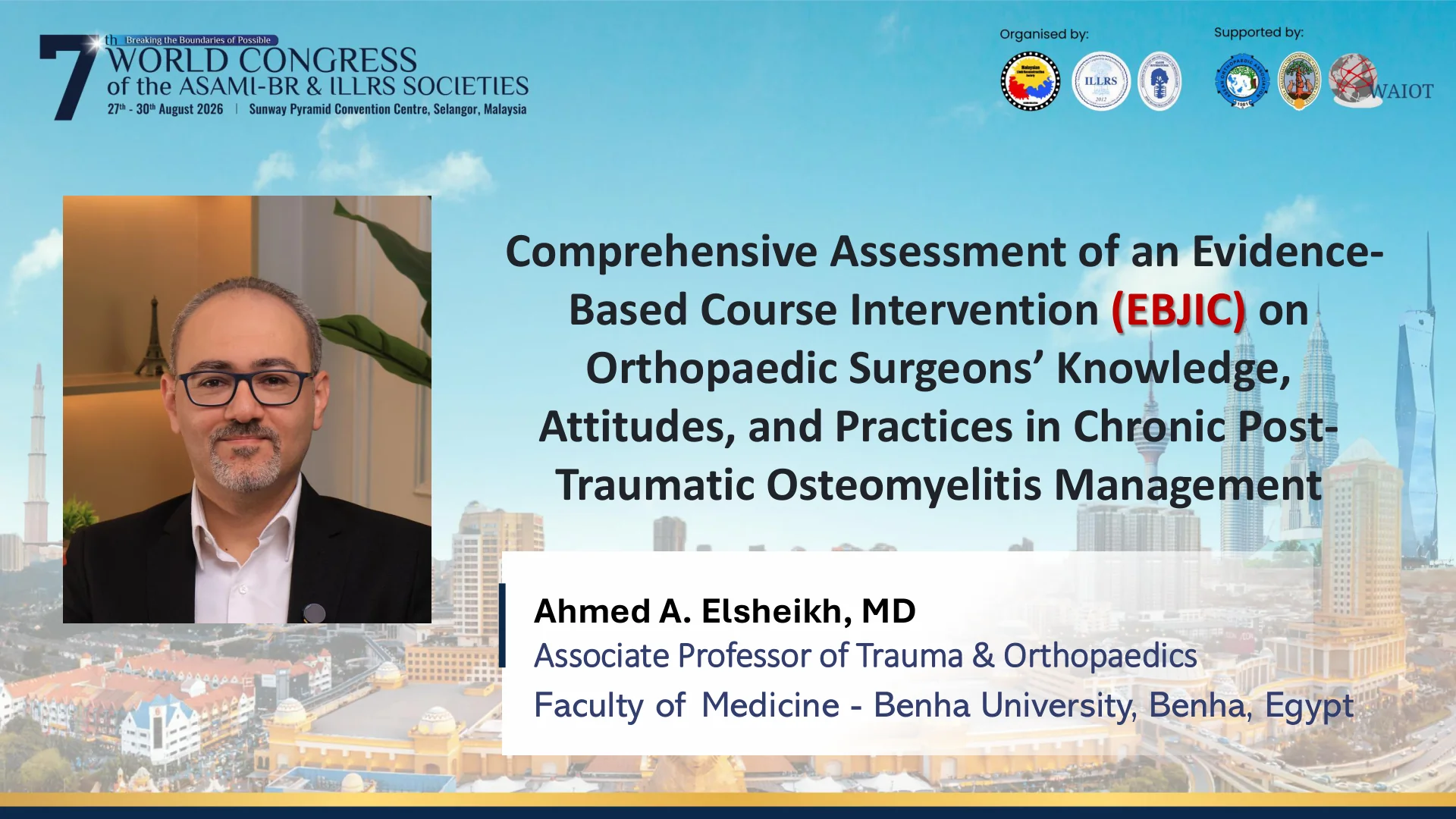
Founded under the leadership of Prof. Ahmed Elsheikh Prof. Sherif El Traigy, and Prof. Mahmoud Abouzied, the course delivers step-by-step clinical algorithms grounded in international consensus definitions, contemporary clinical trials, and real operating-theatre decision-making.
Evidence-Based Surgical Protocols
Translating cutting-edge clinical trials, consensus definitions, and microbiological principles into clear operating-theatre algorithms.
Multidisciplinary Synergy
Fostering deep collaboration between orthopaedic surgeons, infectious disease physicians, microbiologists, and plastic/reconstructive specialists.
Practical Case-Based Mastery
Focusing on complex patient scenarios, failure analysis, revision strategies, and patient-tailored limb salvage.
Validated Assessment: Survey of 302 Orthopaedic Surgeons
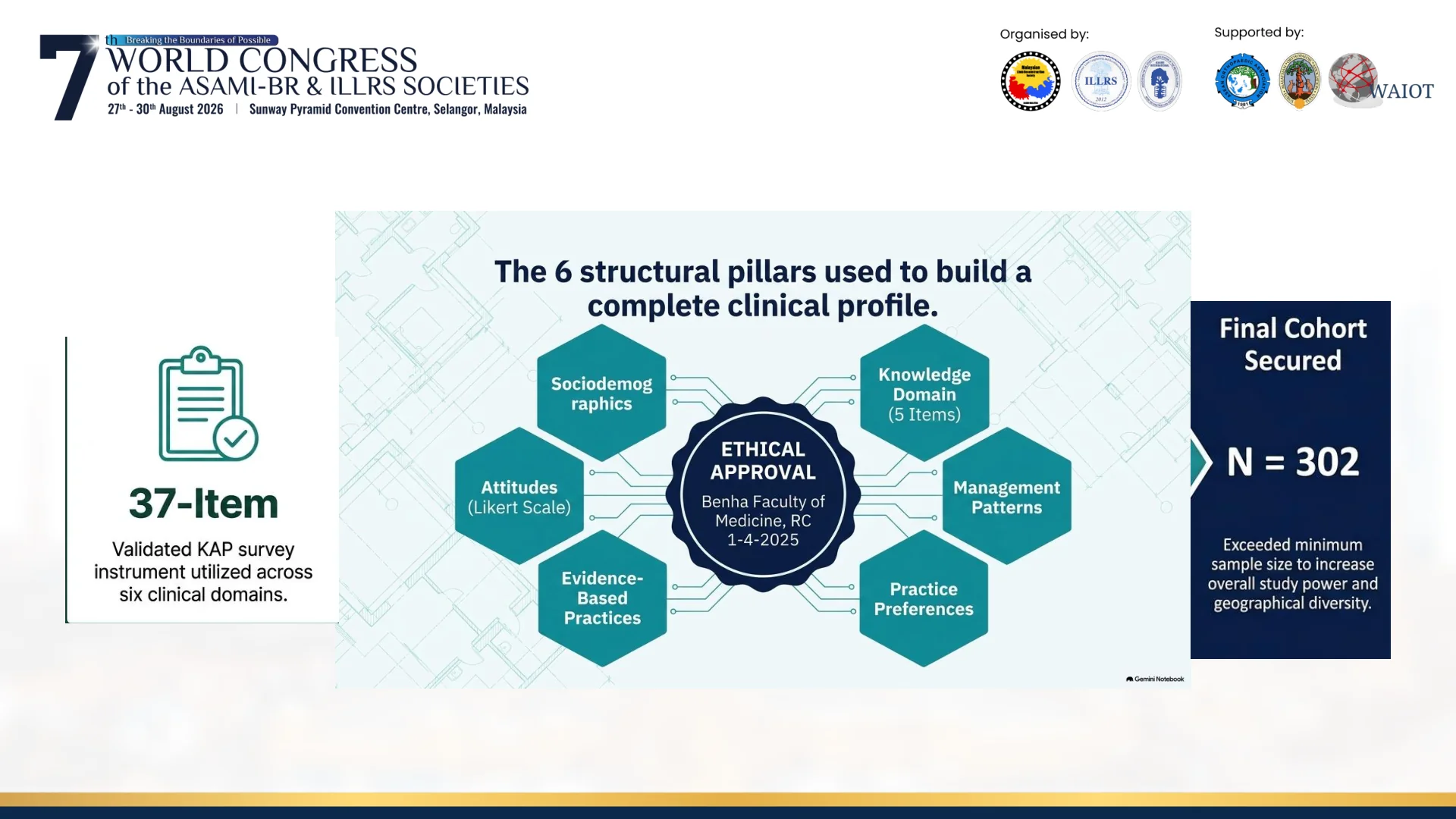
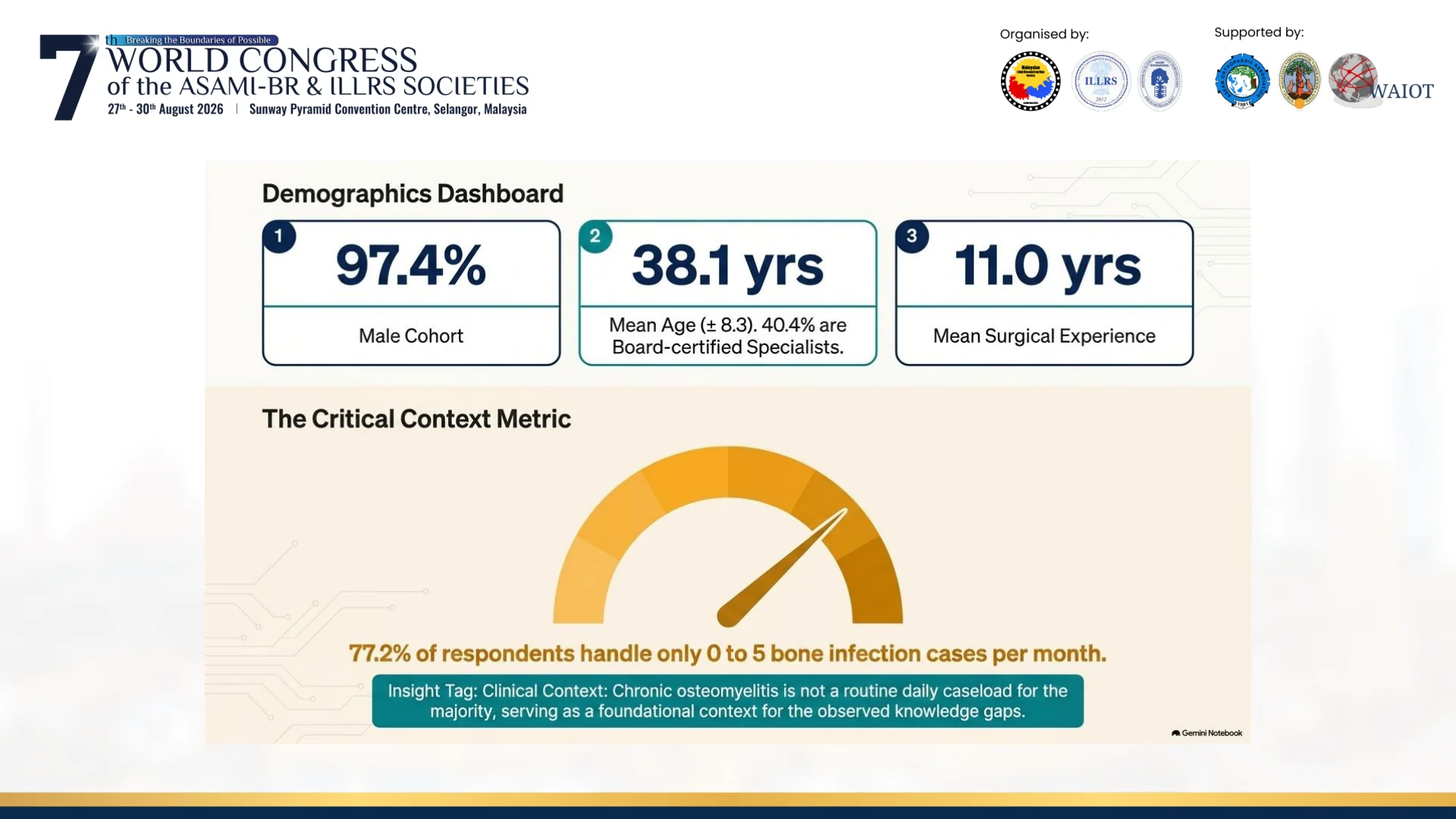
The Egyptian Bone & Joint Infection Course (EBJIC) is a proven, evidence-based intervention designed to fundamentally transform clinical practice and eradicate fatal diagnostic errors in chronic post-traumatic osteomyelitis management. A 37-item validated survey of 302 surgeons demonstrated that there are knowledge gaps and poor attitude towards bone and joint infection, with false confidence despite poor knowledge. This survey led us to construct the EBJIC. While testing this survey before and after the course, EBJIC successfully bridges the gap between perceived confidence and objective competence.
Direct Clinical Translation
By implementing targeted decision-support tools and team-based protocols, EBJIC directly translates knowledge into better patient outcomes, enabling earlier targeted therapy, higher limb salvage rates, and significant reductions in antimicrobial resistance.
Course Learning Outcomes
By the conclusion of EBJIC 2026, participating clinicians will be equipped to:
Master the international diagnostic criteria for Fracture-Related Infection (FRI) and Prosthetic Joint Infection (PJI).
Develop structured surgical decision-making for single-stage vs. two-stage exchange arthroplasty.
Implement targeted antimicrobial stewardship and biofilm-eradicating surgical debridement protocols.
Formulate multidisciplinary limb salvage strategies in complex diabetic foot osteomyelitis.
Diagnose and effectively manage acute and chronic pediatric hematogenous osteomyelitis and septic arthritis.
Handle complex soft tissue reconstruction and dead-space management in infected non-unions.